Case Study: Improving Data Submission and Publication Workflows
Context
At the Dutch National Health Care Institute (Zorginstituut Nederland), I worked on the redesign and optimisation of several workflows within Zorginzicht, a platform used by healthcare organisations to submit, validate and publish healthcare quality data.
At the Dutch National Health Care Institute (Zorginstituut Nederland), I worked on the redesign and optimisation of several workflows within Zorginzicht, a platform used by healthcare organisations to submit, validate and publish healthcare quality data.
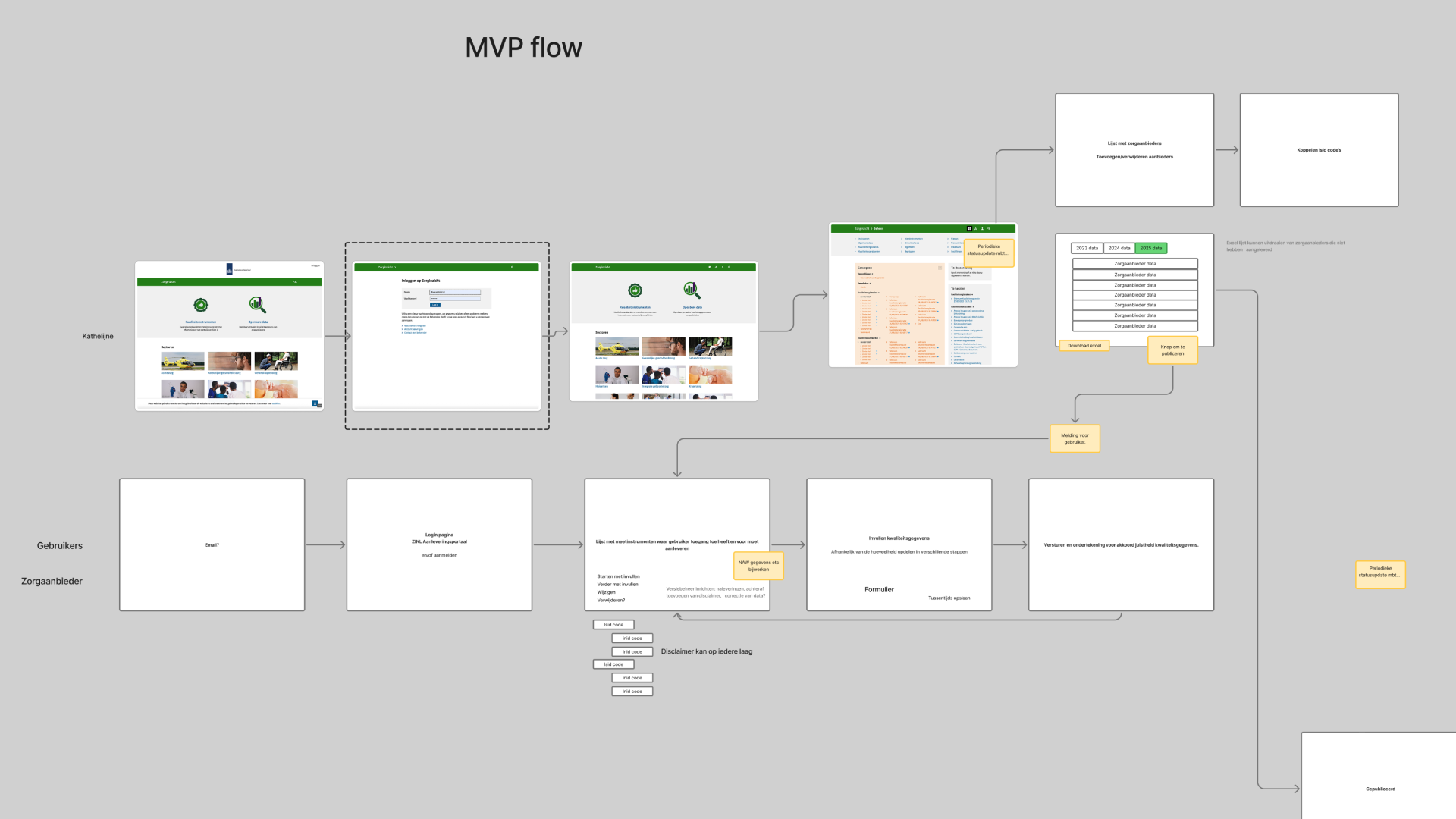
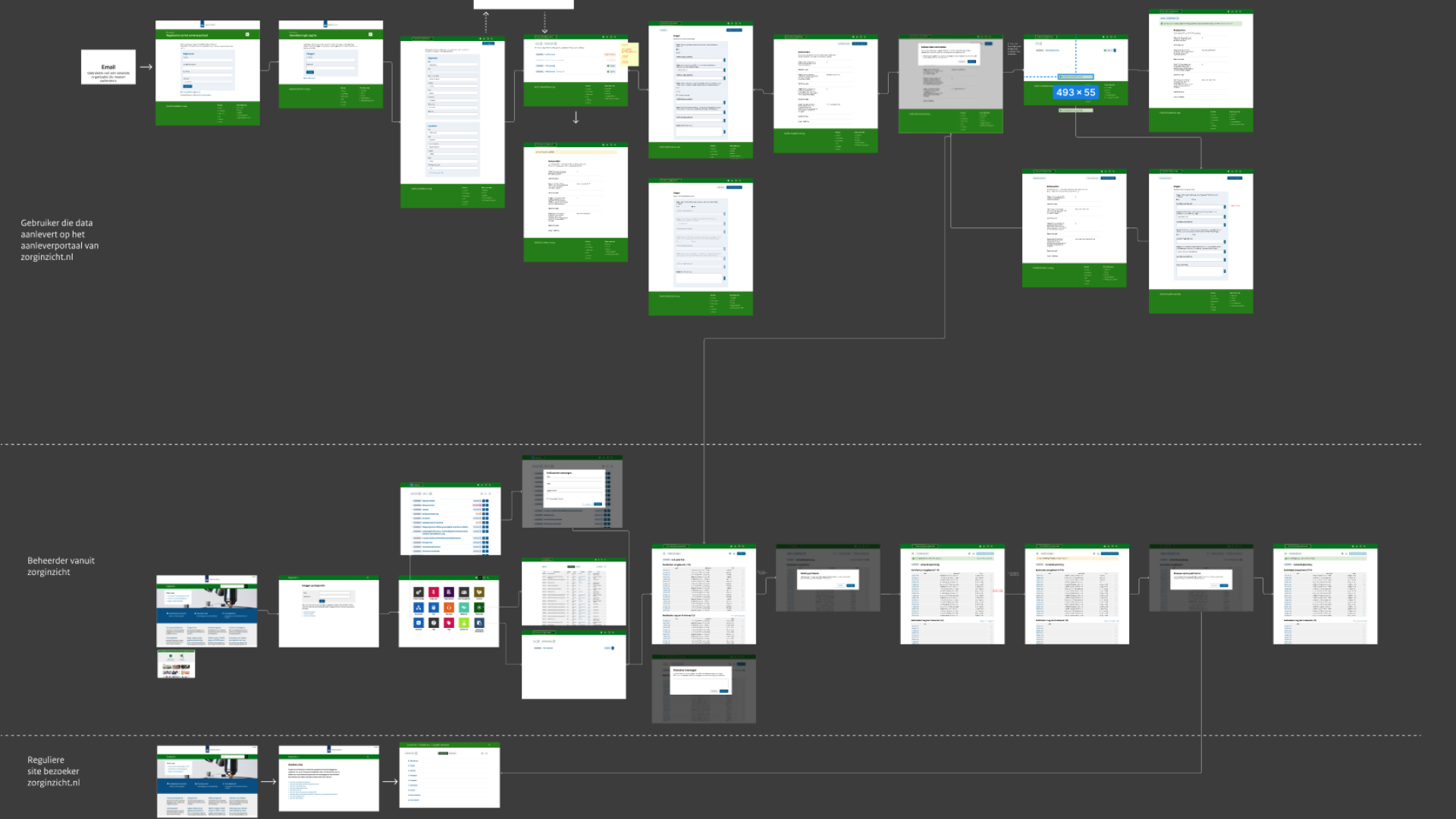
The challenge was not the interface itself, but the complexity behind it. Multiple user groups, strict governance rules, data dependencies and publication processes had to be aligned while keeping the experience understandable for users who only interact with the platform a few times per year.
The challenge
Healthcare organisations submit large volumes of quality data that are later published and consumed by various stakeholders. Existing workflows contained multiple edge cases, unclear responsibilities and process dependencies that increased the risk of user errors and support requests.
The goal was to create a more intuitive experience while ensuring compliance with business rules, validation requirements and publication procedures.
My approach
Before designing screens, I worked closely with product owners, domain experts, data specialists and end users to understand:
- User goals and motivations
- Business and governance requirements
- Process dependencies and validation rules
- Exception handling and edge cases
- Impact on downstream publication processes
- Through workshops, flow mapping and stakeholder sessions, we identified opportunities to simplify decision-making, improve clarity and reduce unnecessary complexity.
Before designing screens, I worked closely with product owners, domain experts, data specialists and end users to understand:
- User goals and motivations
- Business and governance requirements
- Process dependencies and validation rules
- Exception handling and edge cases
- Impact on downstream publication processes
- Through workshops, flow mapping and stakeholder sessions, we identified opportunities to simplify decision-making, improve clarity and reduce unnecessary complexity.
Key design decisions
Simplified complex submission and publication workflows into clear, guided steps.
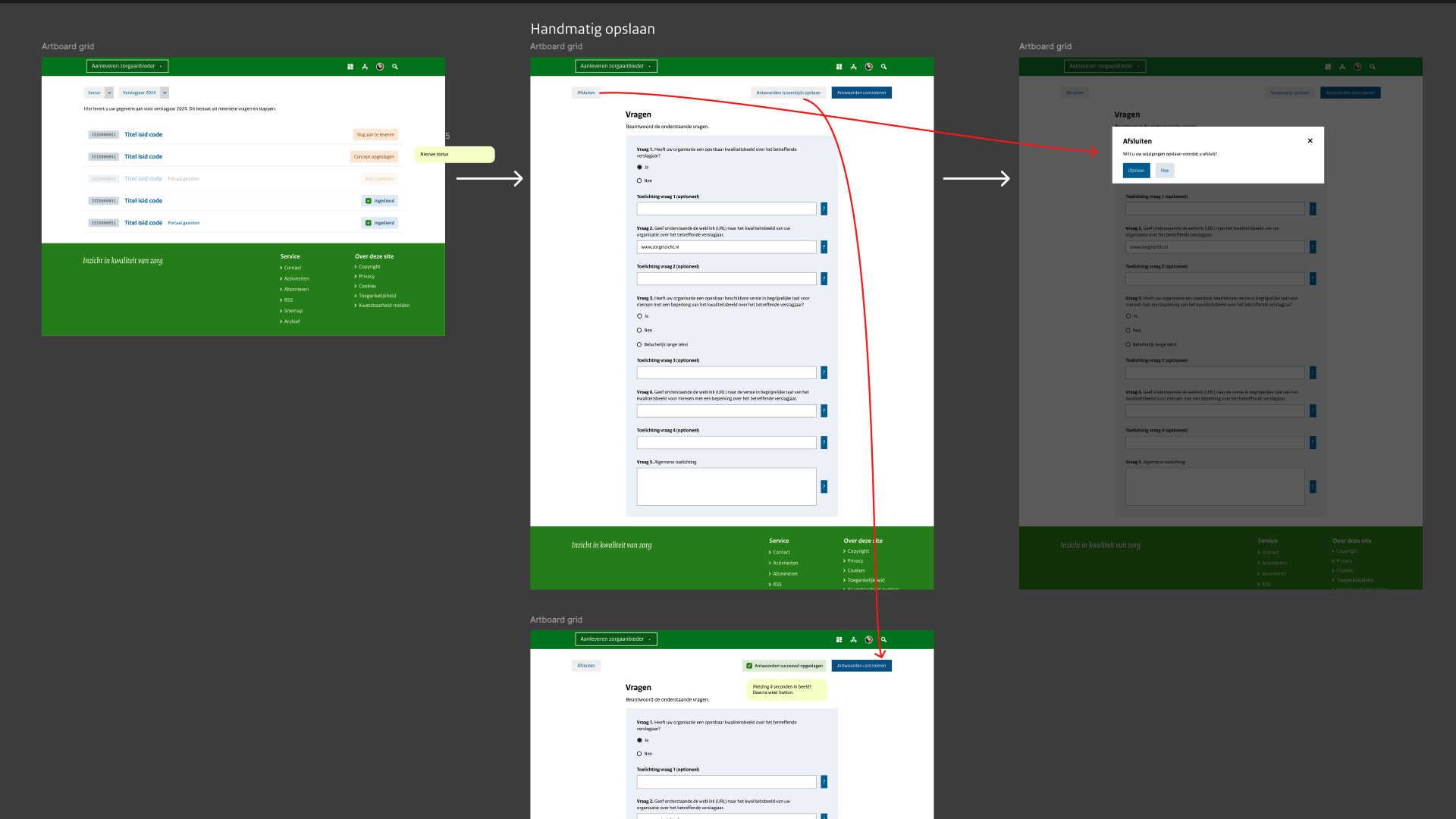
Introduced clearer status communication throughout the process.
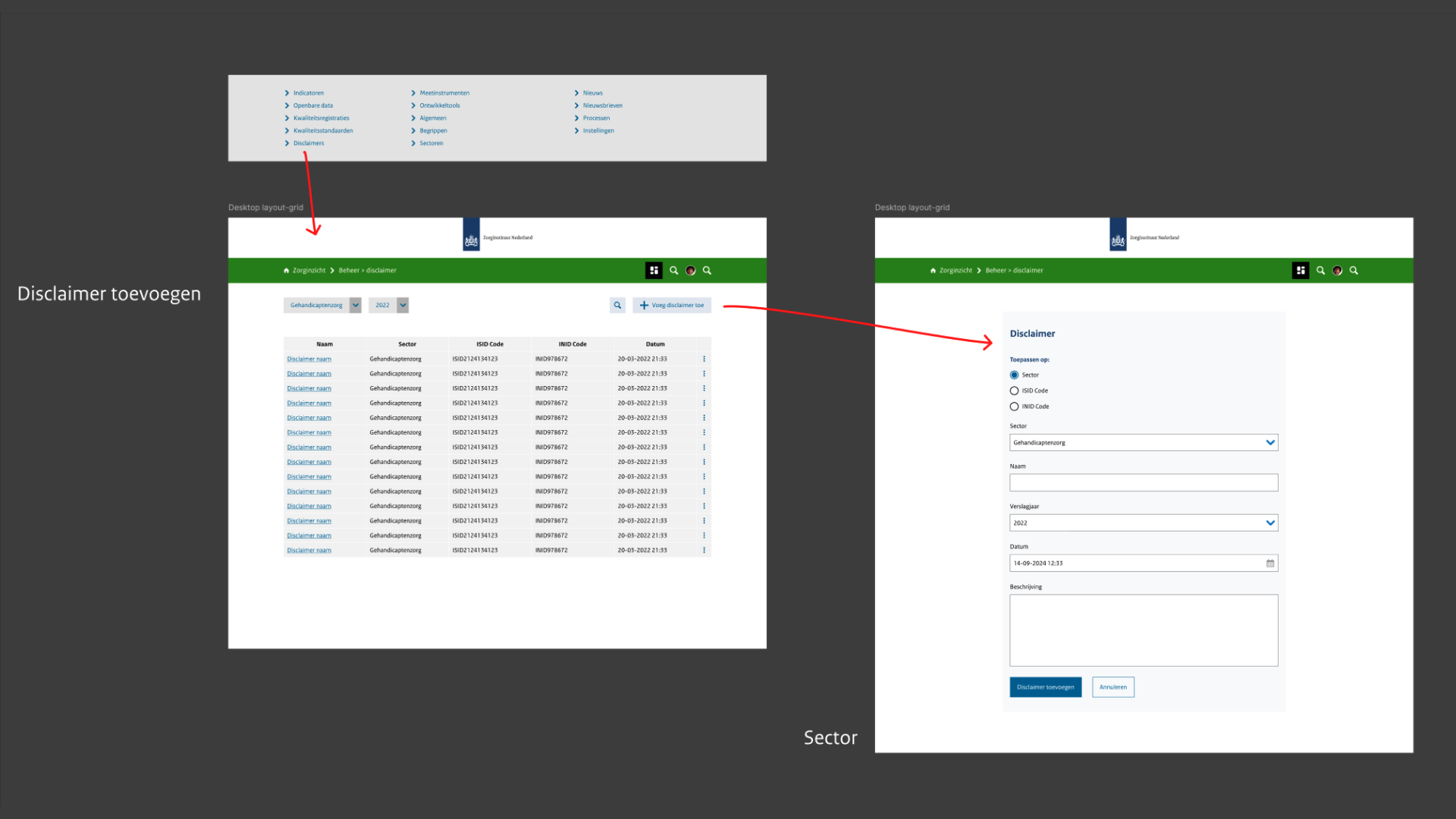
Reduced ambiguity around ownership, responsibilities and next actions.
Designed for exception scenarios and incomplete data submissions.
Balanced user needs with strict regulatory and organisational requirements.
Outcome
The result was a set of scalable workflow designs that aligned user needs, business requirements and technical constraints. By focusing on the underlying process rather than individual screens, we were able to create solutions that were easier to understand, easier to maintain and better suited for future expansion.
The result was a set of scalable workflow designs that aligned user needs, business requirements and technical constraints. By focusing on the underlying process rather than individual screens, we were able to create solutions that were easier to understand, easier to maintain and better suited for future expansion.