Case Study: Redesigning Fleet Reporting for Better Decision Making
Context
At Alphabet / BMW Financial Services, I worked on the redesign of Fleet Reporting, a reporting and analytics platform used by fleet managers to monitor vehicle performance, utilisation, costs and operational trends.
The platform had evolved over time and contained a growing number of reports, dashboards and data visualisations. As new features were added, users found it increasingly difficult to find relevant insights and turn data into action.
The challenge
The challenge was not to redesign screens, but to determine how fleet managers could more effectively consume and act upon large amounts of data.
Key questions included:
- Which insights are most valuable for different user groups?
- How should information be prioritised?
- When does a dashboard become overwhelming?
- How can reporting evolve from historical data towards predictive insights?
- How can users take action directly from an insight?
My approach
I collaborated with product owners, business analysts, stakeholders and development teams to understand:
- User goals and decision-making processes
- Existing reporting behaviour
- Pain points within current dashboards
- Business priorities across different markets
- Opportunities for future analytics and AI-driven insights
- Rather than starting with interface design, we focused on understanding which decisions users needed to make and which information supported those decisions.
Key design decisions
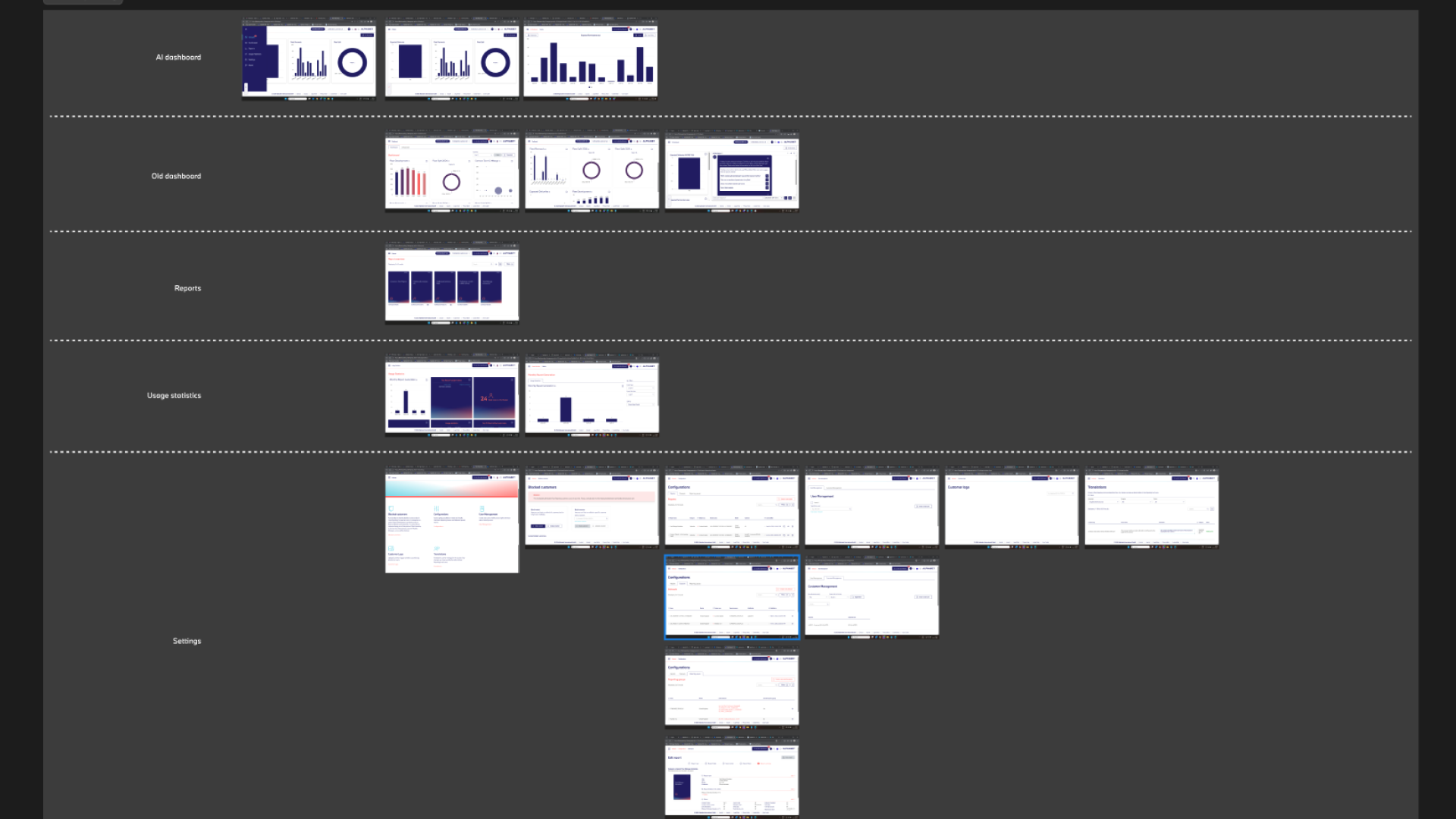
- Simplified dashboard structures to reduce cognitive load.
- Re-evaluated widget organisation and information hierarchy.
- Challenged existing concepts that added complexity but delivered little value.
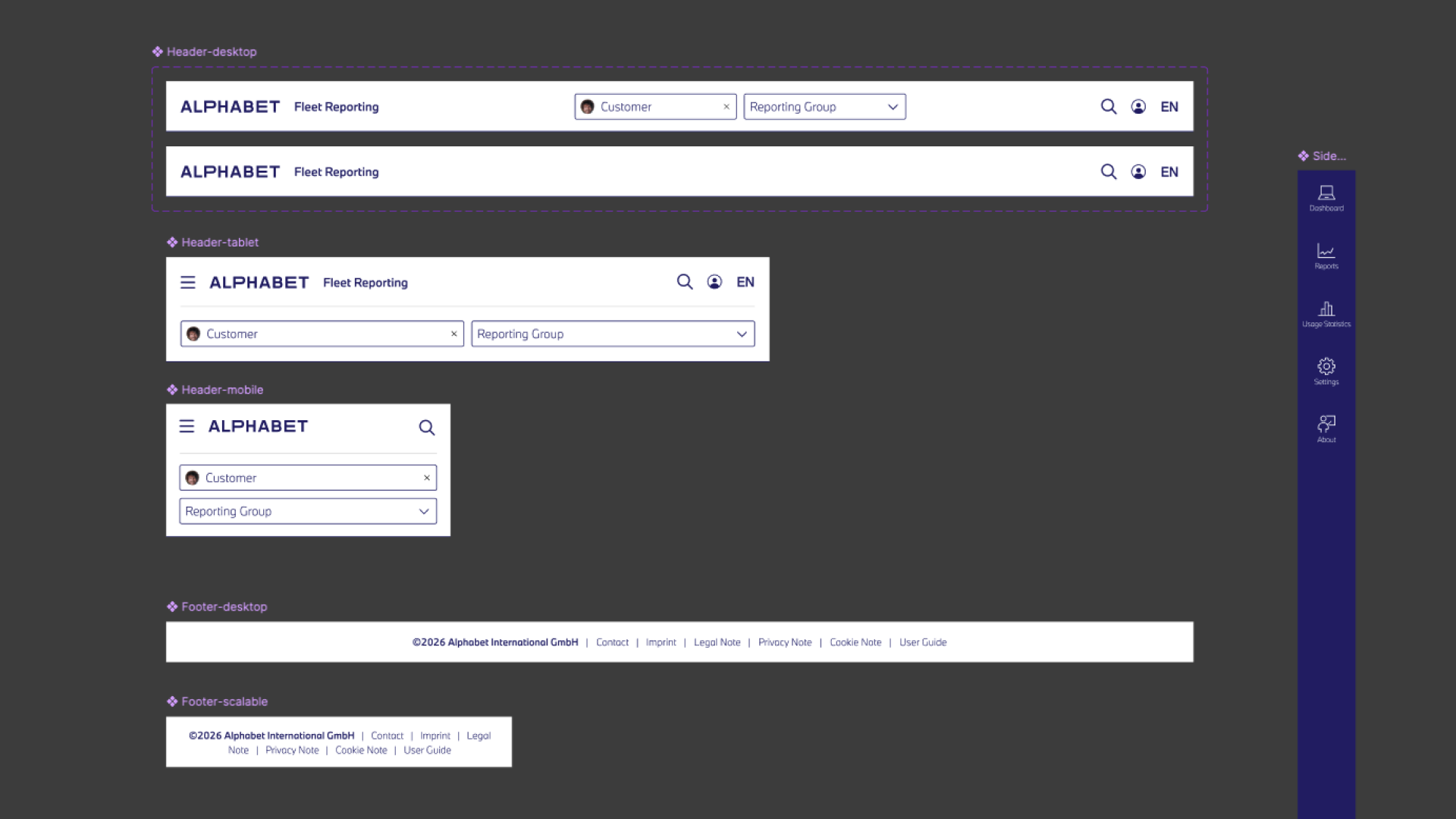
- Designed scalable patterns for future analytics capabilities.
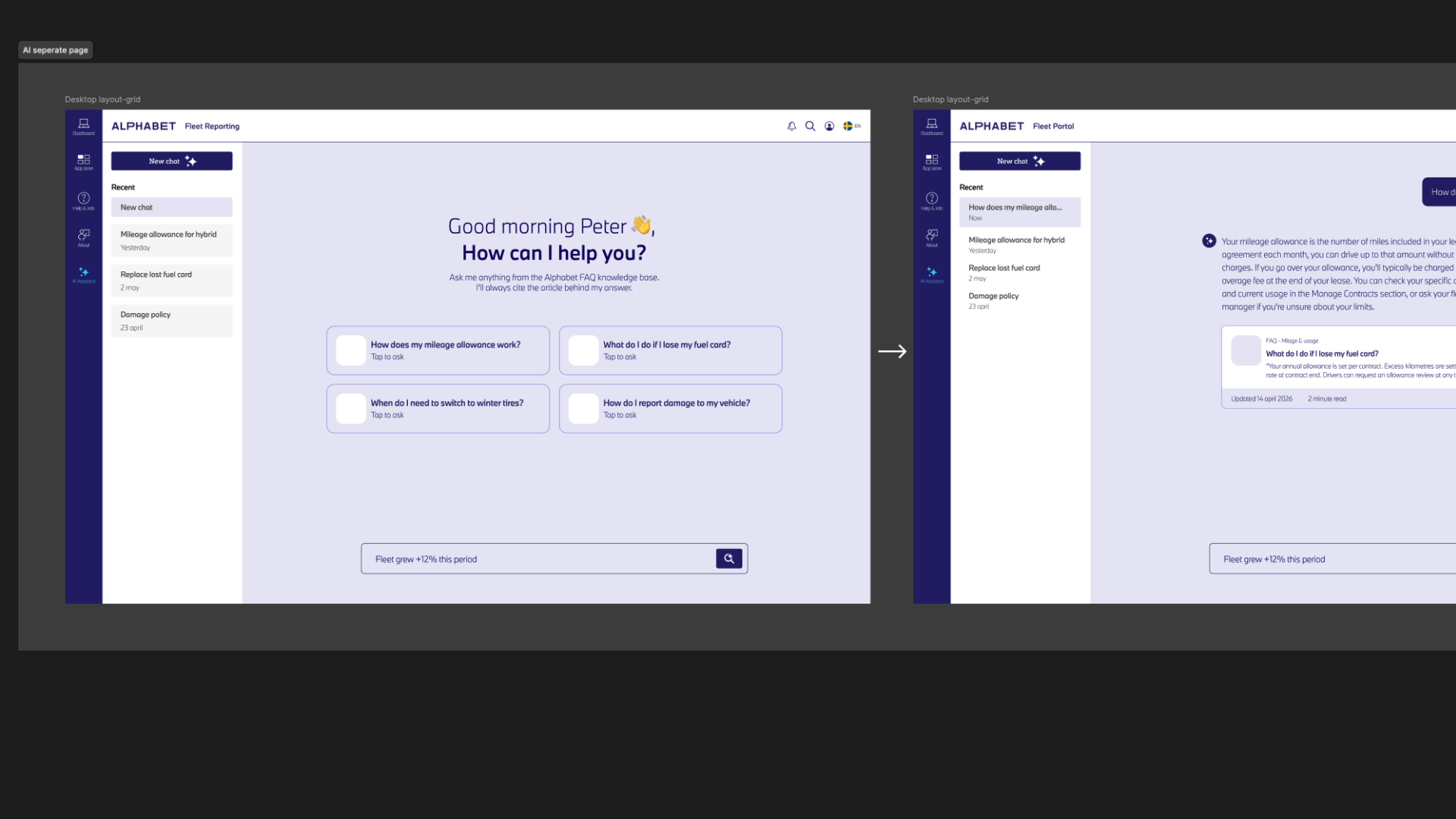
- Introduced concepts for predictive insights and recommendation-driven workflows.
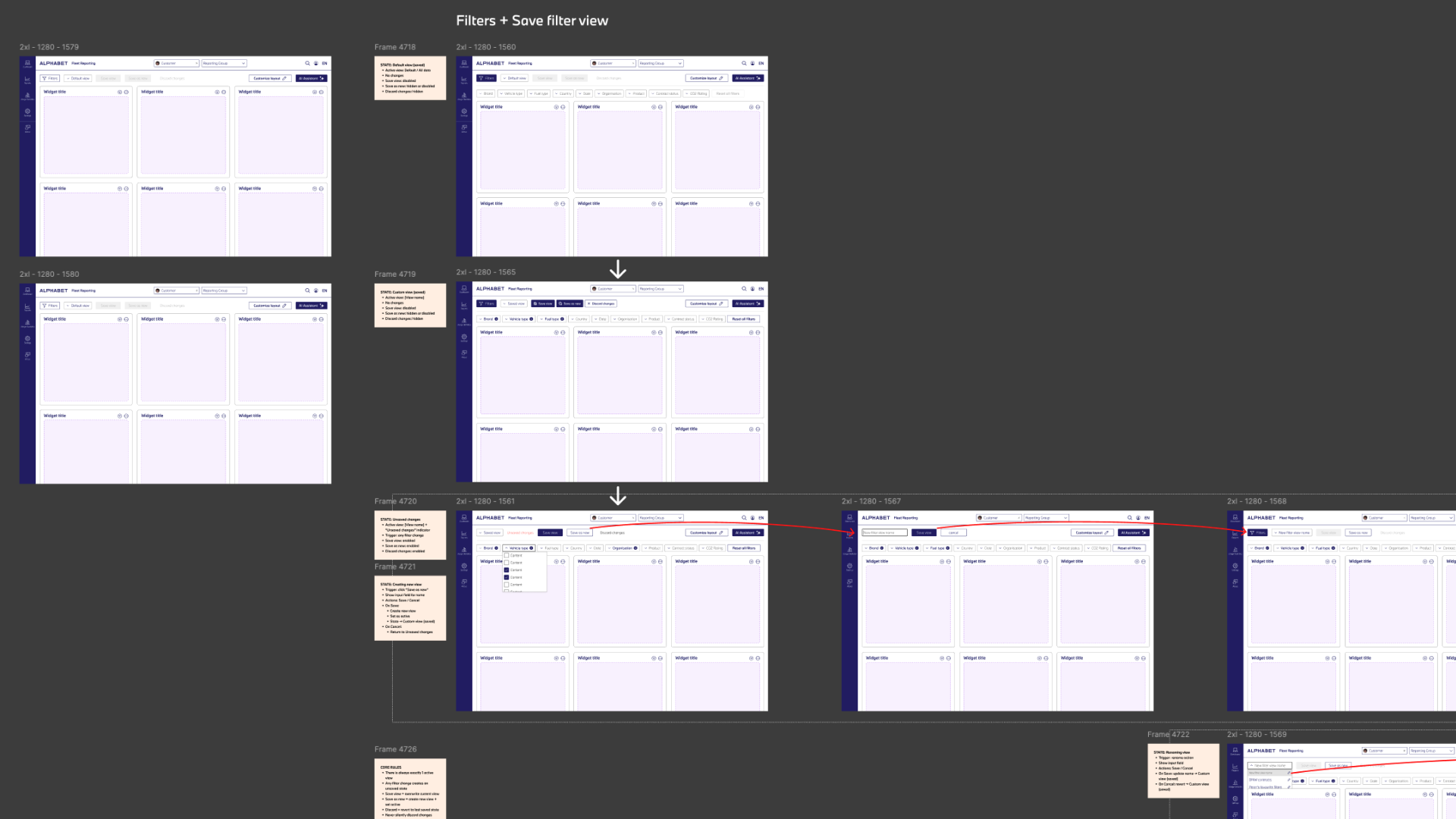
- Explored how users could move from insight to action within a single experience.
- Simplified dashboard structures to reduce cognitive load.
- Re-evaluated widget organisation and information hierarchy.
- Challenged existing concepts that added complexity but delivered little value.
- Designed scalable patterns for future analytics capabilities.
- Introduced concepts for predictive insights and recommendation-driven workflows.
- Explored how users could move from insight to action within a single experience.
Outcome
The redesign established a more scalable foundation for Fleet Reporting while creating opportunities for future capabilities such as predictive analytics, fleet health monitoring and AI-assisted decision support.
The focus was not on creating new dashboards, but on helping users make better business decisions using the data available to them.
The redesign established a more scalable foundation for Fleet Reporting while creating opportunities for future capabilities such as predictive analytics, fleet health monitoring and AI-assisted decision support.
The focus was not on creating new dashboards, but on helping users make better business decisions using the data available to them.